
Blue light is a type of light that's given off by digital screens like phones, laptops and TVs. It's also found naturally in sunlight. Because most of us spend hours looking at screens every day, we're exposed to more blue light than ever before. In this guide, we'll explain what blue light is, how too much of it may affect your eyes and sleep, and whether blue light filters can help.
What is blue light?
Blue light is a type of visible light that our eyes can see. It's naturally produced by the sun and plays an important role in helping to regulate our body's internal clock. During the day, blue light tells our brain that it's time to be awake and alert, which is why getting outside in natural daylight can help you feel more energised.
But sunlight isn't the only source of blue light. Many of the devices and lights we use every day, including smartphones, tablets, computers, TVs, LED bulbs and fluorescent lighting, also give off blue light. As we spend more time using these devices, especially in the evening, many people wonder whether this extra exposure could affect their eyes or sleep.
Is blue light harmful?
When your eyes detect blue light, your brain gets the message that it's daytime. In response, it reduces the production of melatonin, the hormone that helps you feel sleepy. During the day this is completely normal and helps you stay awake and alert. However, exposure to blue light in the evening, especially from screens, may make it harder for some people to wind down and fall asleep.
This means that when we see blue light in the evening or the night, we are receiving signals that can disrupt the onset of sleepiness. Recent studies have suggested that this impact may be limited, as we receive far less blue light from screens as we would from being outside.
There is also no strong scientific evidence to suggest that blue light exposure can affect our eyes. Nevertheless, it is worth considering as a factor when choosing a healthy sleep routine.
What to do about eye strain from using digital devices?
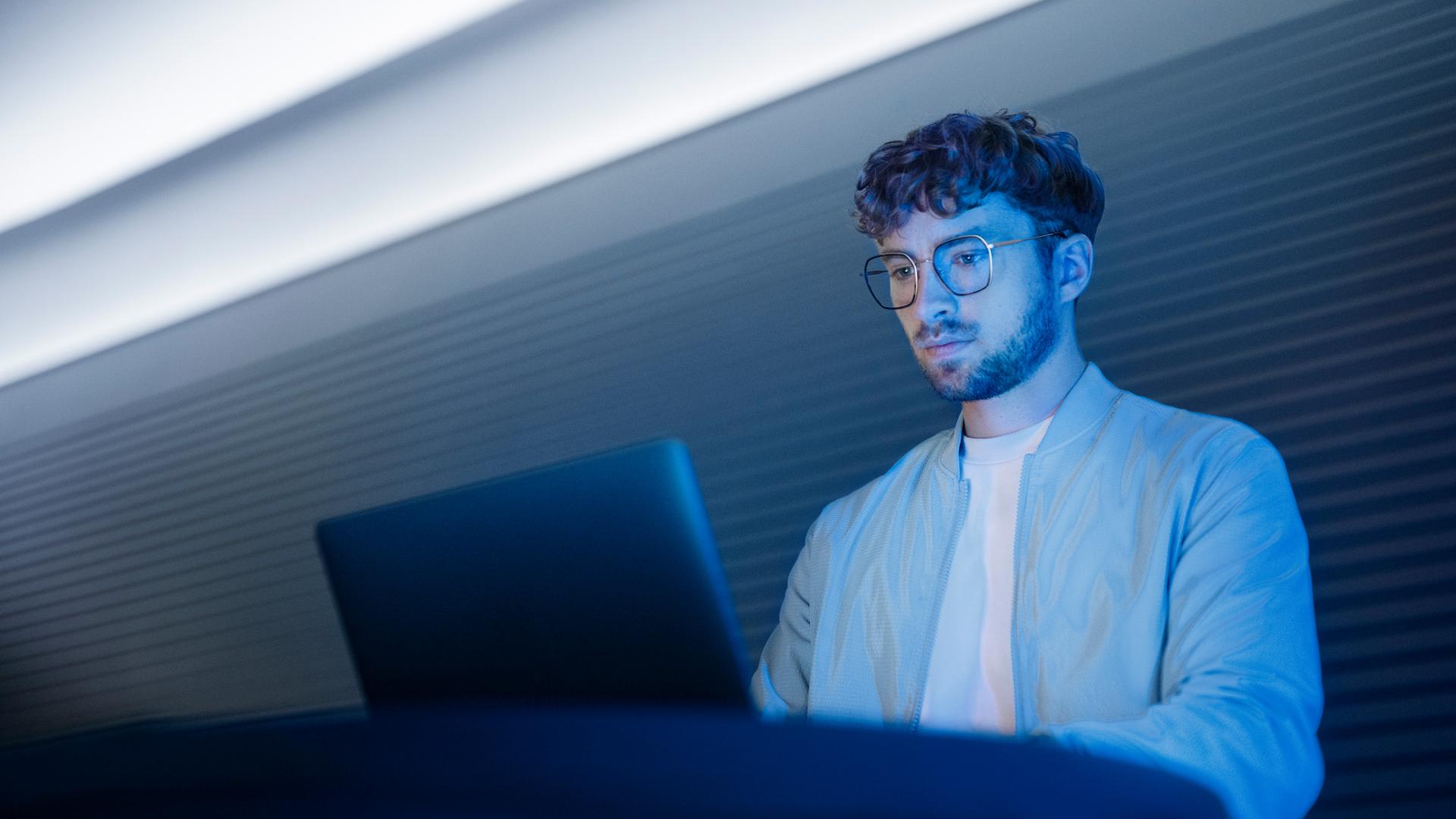
We blink less when we’re using digital screens, resulting in drier eyes. You could be feeling the effects of eye strain if you’ve spent long periods concentrating on a computer screen or other digital device.
Keeping to regular eye tests, considering adding an anti-reflective coating on your glasses and using the 20-20-20 rule (take a 20 second break every 20 minutes and look at least 20 feet away) can all contribute to easing your eye strain.
What is a blue light filter for?
Blue light filters are pieces of software or features that reduce the amount of blue light that screens give off and are commonly used to help improve visual comfort. These filters apply an overlay that shifts the colour temperature towards warmer tones.
Using the latest organic, chemical technology to incorporate blue light filtration into the lens material, BlueGuard® by ZEISS can give better protection than blue light filtering coatings. Find out more here.
Our eyes play an important role in how our bodies interpret light. To make sure they’re healthy, don’t hesitate to book an eye test.
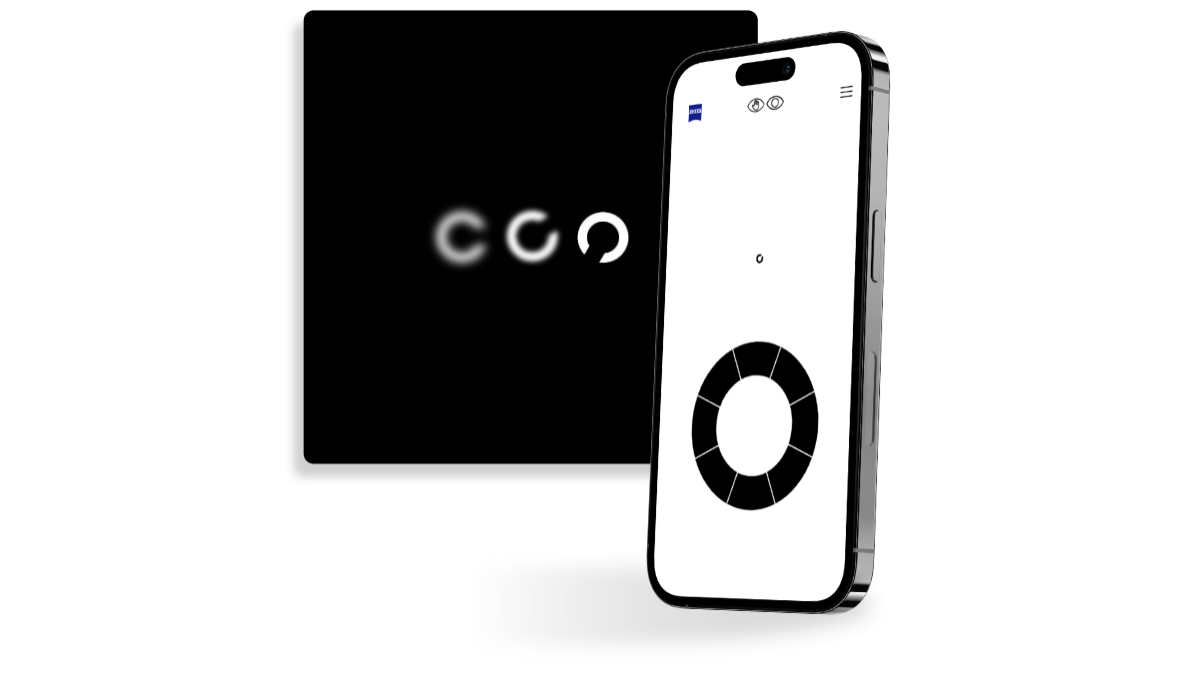
ZEISS offers free online vision screening to pre-check your eyesight and see if you’re due for a professional eye exam.