Myopia is the medical term for short-sightedness or near-sightedness. It is a common eye condition that makes distant vision appear blurry. It occurs when the shape of the eye changes. If a child's eye grows too long, or the cornea is too curved, myopia develops.
Myopia in children is becoming more common. Experts believe that increased near work time and intensity, and reduced time spent outdoors in natural daylight may be contributing factors. Around one in three children is now affected.
The good news is that if myopia is detected early, it can be managed effectively. Early management may help slow progression and reduce the risk of more severe vision problems later in life.
What is myopia in children?
Myopia in children occurs when the eyeball grows slightly too long during development. This is common because children's eyes are still growing.
Early diagnosis is important. The sooner myopia is identified, the sooner opticians can recommend management options that may help slow progression.
Why myopia develops in children
Rates of myopia in children have increased significantly over the past 50 years. Experts believe this is linked to a combination of genetic and environmental factors.
These include:
- Eye growth during normal development
- Genetic predisposition if one or both parents are short-sighted
- Increased screen use and close-up activities
- Reduced time outdoors and exposure to natural daylight
These factors can influence both the development and progression of myopia.
When should you book an eye test?
Children should attend regular sight tests as they approach school age (4 years old), however you should book an eye test sooner if you notice any symptoms of myopia or if there is a family history of the condition.Early testing allows opticians to monitor vision and recommend timely intervention.


How is myopia diagnosed in children?
During an eye test, an optician assesses how your child's eyes focus on light and checks overall eye health.
Common tests include:
- Eye health examination: The optician uses a light to examine the cornea, lens and retina
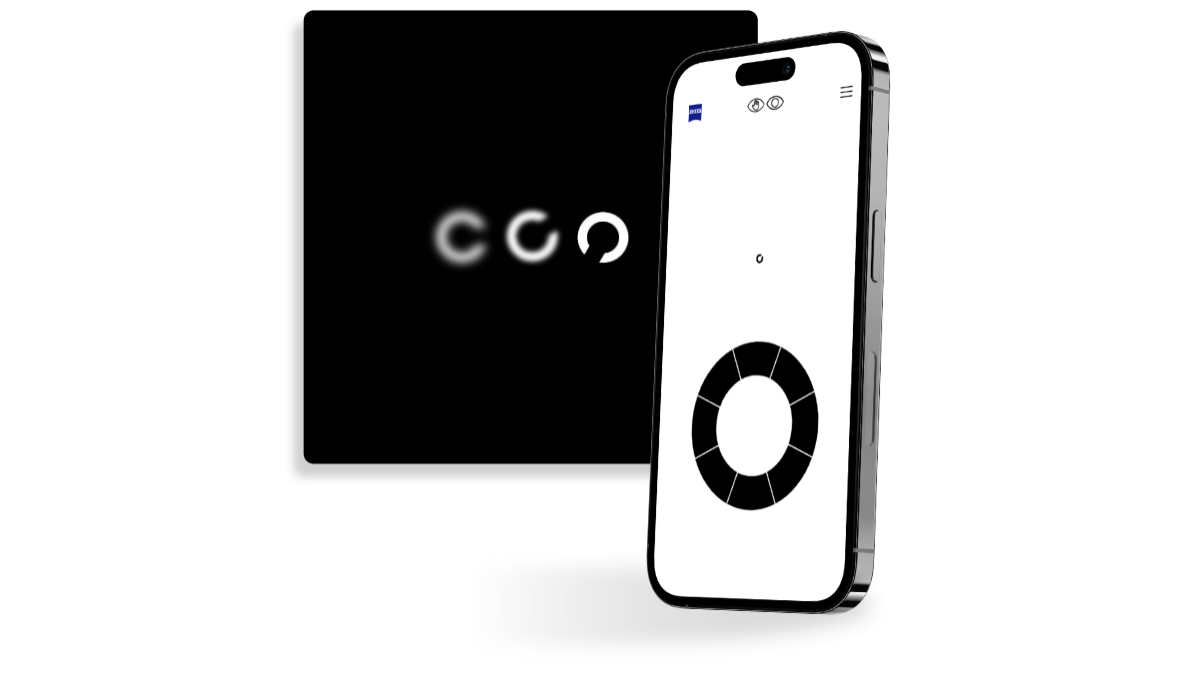
- Vision chart test: The child reads symbols, letters or pictures to assess clarity of vision at different distances
- Lens assessment: The optician places different lenses in front of the eyes to determine the correct prescription
- Binocular vision test: Checking the eyes are working well together
These tests are safe and suitable for children of all ages.
Can myopia in children be managed?
Yes, myopia can be managed effectively in children.
Specialised lenses may be used to provide clear vision while also influencing how light focuses on the retina. This may help slow eye growth in some cases.
For older children, orthokeratology lenses can be worn overnight. These lenses gently reshape the surface of the eye so that clear vision is possible during the day without glasses.
Lifestyle advice may also be provided. This often includes spending 90 minutes to two hours outdoors each day and reducing prolonged close-up activities such as reading, gaming or screen use.
Early management may reduce the risk of high myopia later in life. Early diagnosis is key to supporting long-term eye health.
Find an optician.
Have your child's eyesight checked now.Use our Find an Optician tool to locate a ZEISS optometry partner near you. Make an appointment now!