Feeling discomfort in bright light can be normal but if your eyes experience excessive sensitivity, that could indicate an underlying issue that may need further exploration.


What is photophobia?
Despite the name, photophobia doesn't mean a fear of light but is the medical term for experiencing sensitivity to light that hurts the eyes - that could be bright indoor lights, sunlight or digital screens, for example. Commonly associated with eye conditions such as dry eyes and other health issues, people suffering from migraines can also be affected and feel discomfort or pain.
What do people with photophobia experience?
People with photophobia experience a painful sensitivity to light - even when it is at comfortable levels for others. Photophobia sufferers report symptoms including:
- Eye discomfort such as a burning feeling or pain in bright light
- Needing to squint or close their eyes, excessively blink or have excessive watering
- Migraines and headaches
- Difficulty tolerating sunlight, glare, fluorescent lighting, car headlights and digital screens
- Holding up their hands to shield the eyes in bright light
- Needing to wear sunglasses more often - or preferring to stay indoors on sunny days
What causes sensitivity to bright light?
Photophobia is a symptom of an underlying issue rather than a standalone condition - so treating the root cause is important to help sufferers cope with bright light. The issue could be eye-related, related to the body's nervous system or affected by certain medications. Common causes include:
- Dry eye syndrome: A common condition caused by the eyes not producing enough tears, leading to inadequate lubrication of the eye's surface
- Conjunctivitis: Also known as 'pink eye', this inflammation of the eye's surface makes it more sensitive to light
- Cataracts: Light entering the eye can scatter as the lens clouds over, making bright lights feel harsh
- Corneal injuries: A scratch on the cornea - the eye's protective shield that helps focus light - can expose sensitive nerve endings and be painful or sensitive in bright light
- Medication: There could be potential side effects from using antibiotics, antihistamines, diuretics or NSAIDs such as ibuprofen and naproxen
How is light sensitivity treated?
Treatment for light sensitivity centres on addressing the underlying cause and can include:
- Managing your migraines or treating an eye infection
- Using lubricating eye drops to relieve dry eye syndrome
- Wearing sunglasses with UV protection in bright sunshine and reducing outdoor glare by wearing a wide-brimmed hat
- Modifying your digital screen use by reducing the brightness level, increasing the text size and using the 20-20-20 rule (every 20 minutes look at something at least 20 feet away for 20 seconds)
- Wear prescription or specially tinted lenses if recommended by an eye care professional
If you have concerns about your eyes' sensitivity to bright light, don't hesitate to book an eye test so that you can be reassured about the underlying causes.
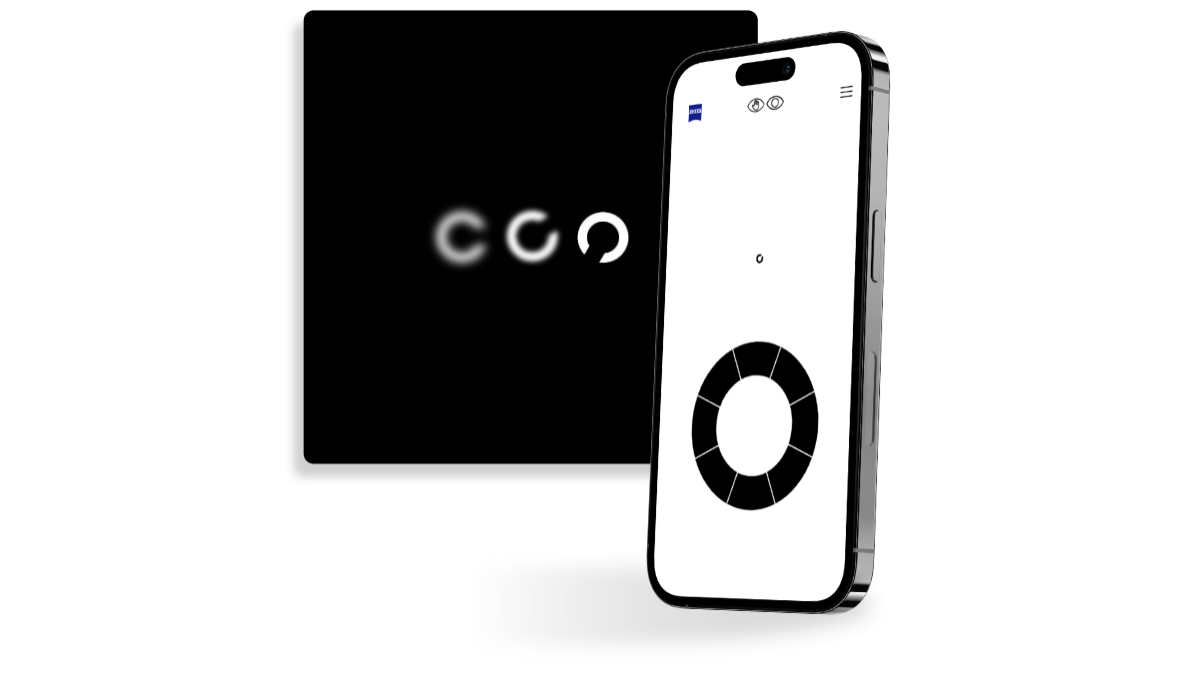
ZEISS offers free online vision screening to pre-check your eyesight and see if you're due for a professional eye exam.