How do I know if I need reading glasses? The five subtle signs
It's a question that comes to most of us as we get older - is it time to get some reading glasses? Straining to read a book, holding menus at arm's length - there are quite a few tell-tale signs that a visit to the optician is needed.
Our guide will reassure you that spotting the five subtle signs that you might need glasses is a natural process - and taking the plunge could actually be a real eye-opener in your life.
The signs you need glasses for reading
You can't keep ignoring it - you're gradually realising that it might well be time to embrace the new glasses-wearing you. There's no need to feel self-conscious. Here are just five subtle signs you might need glasses for reading:
- Holding books or screens at arm's length to read: We've all done it - squinting madly at the written words in front of you and being convinced that the text is getting smaller and smaller
- Headaches after reading or close-up work: Feeling tired or developing a headache after a short period of reading is an indicative sign that reading glasses could be on the way
- Needing brighter light than you used to: No longer able to read a book in the twilight? You might be switching on brighter lights or screens to help you read more comfortably
- Eye strain or tired eyes after short reading sessions: Your eyes might be tired, strained and feeling dry and sore and reading can become more difficult - or you're spending more time increasing the font size on your mobile phone
- Blurry vision when switching between near and far distances: You could find words on a screen, mobile phone or menu appear fuzzy or blurry and your eyes need to readjust when looking up and across a room


Concerned you might need reading glasses? What to do next?
Rest assured that the above signs are extremely common. Needing reading glasses can usually start to happen from your early to mid-40s onwards. Called presbyopia, it's the natural loss of the eye's ability to focus on close-up objects, when the lens becomes less flexible with age. Your next step to reinstating that crisp, clear vision you're missing is to book an eye test.
Do I need an eye test for reading glasses?
You don't always need an eye test for reading glasses, especially if you're going to choose a pair of off-the-shelf readers with standard magnification levels from a high street retailer. But an eye test is recommended as a first step as it's a good indication of your overall eye health and can rule out potential eye conditions.
Regular tests can also help you keep on top of your prescriptions, as your vision can gradually change over time. Updated prescriptions can help support your reading and improve eye strain and headaches. The NHS recommends that you should have your eyes tested every two years, unless otherwise specified by your optomoetrist.
If you recognise the subtle signs that you might need reading glasses – or contact lenses - don't hesitate to book an eye test and find the ideal pair for your needs.
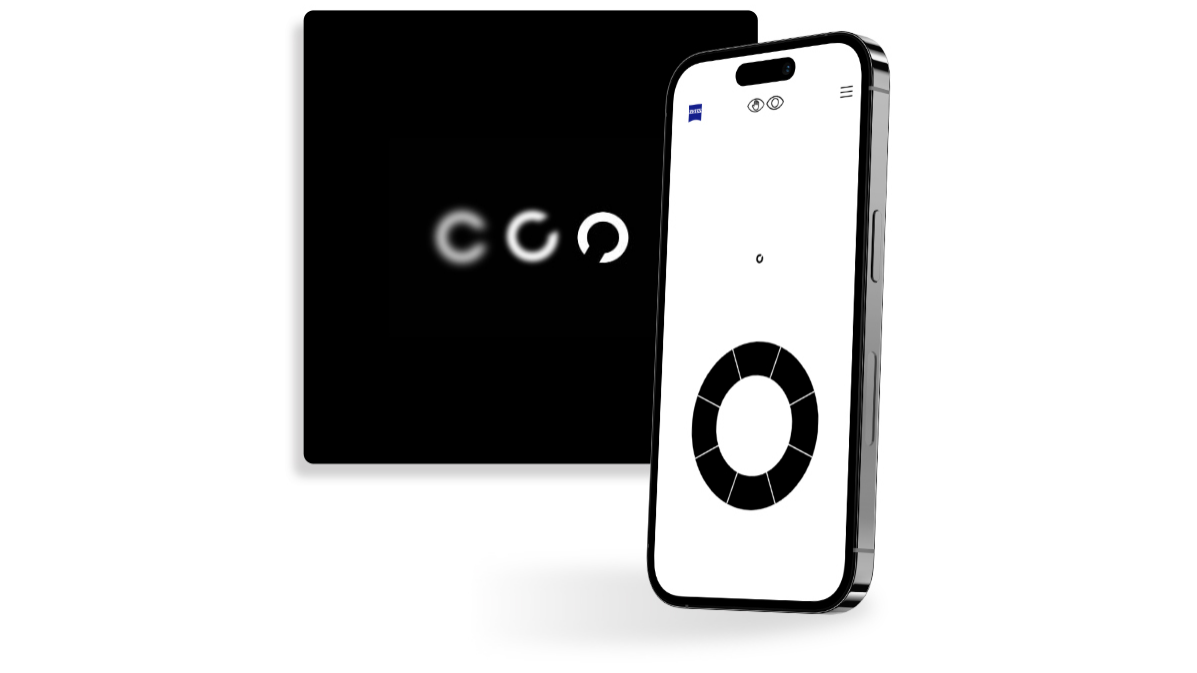
ZEISS offers free online vision screening to pre-check your eyesight and see if you're due for a professional eye exam.